Plan beyond your first permission. Explore which services can support a longer-term path to settlement and citizenship, and understand the requirements at each stage.
DESTINATIONUruguay
REGIONAmericas
SERVICES3 to explore
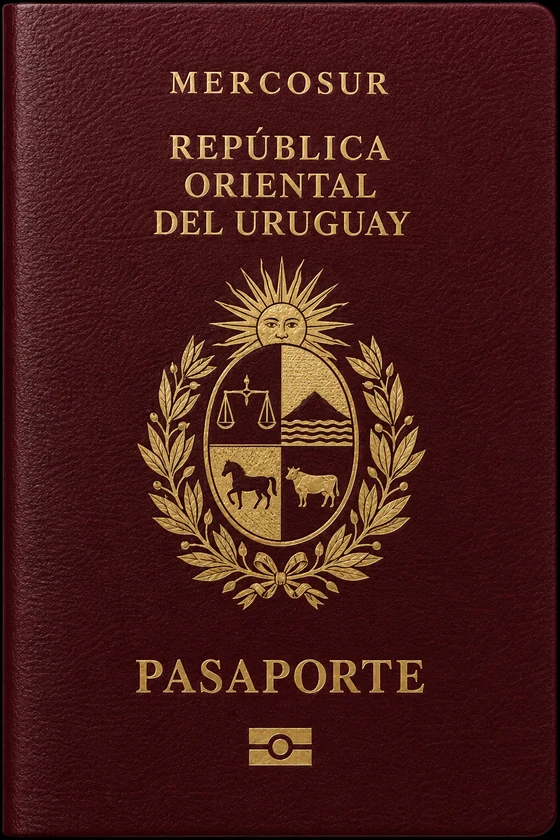
Passport imagery represents the destination. Residence and citizenship are separate legal outcomes.
FIND YOUR PATHWAY
Different ambitions. Considered pathways.
Explore the benefits, eligibility, requirements and long-term outcome of each route in Uruguay.
01Residence
Settle in Uruguay and demonstrate your means of support through employment, a business or self-employment.
Residency to citizenship
01Apply for permanent residence
02Establish habitual residence
03Legal citizenship3 or 5 years
Each stage has its own eligibility requirements.
This is one means-of-support basis within the general permanent-residence procedure, not a separate citizenship-by-investment programme.
Benefits
An application for permanent legal residence rather than a purchased passport or a fixed-price investor visa.
Eligibility
A foreign national intending to establish residence, with lawful entry and credible, documented means of support. Business activity must be real and comply with local registration rules.
Requirements
Identity and entry documents, relevant criminal certificates, vaccination evidence and proof of work or business income. Foreign certificates generally require apostille or legalisation and Spanish translation. A valid health card issued by an authorised provider in Uruguay is also required.
Last updated on
YOUR LONG-TERM PATHWAY
Residency to citizenship
01
Apply for permanent residence
Settle in Uruguay and demonstrate your means of support through employment, a business or self-employment.
02
Establish habitual residence
Make Uruguay your genuine home and preserve residence, travel and livelihood evidence. An absence exceeding six consecutive months interrupts the habitual-residence period.
03
Legal citizenship · 3 or 5 years
Apply to the Electoral Court after three years with a family constituted in Uruguay, or five years without, subject to good conduct and the required livelihood and residence proof.
Permanent residence and legal citizenship are separate decisions. Legal citizenship is distinct from nationality under Uruguayan law.
Each stage requires its own qualifying conditions and decision. The years shown are eligibility periods, not approval times.
Establish a home in Uruguay using documented pension, rental or other lawful independent income.
Residency to citizenship
01Apply for permanent residence
02Establish habitual residence
03Legal citizenship3 or 5 years
Each stage has its own eligibility requirements.
Benefits
Access to the general permanent-residence procedure without a universal fixed investment purchase.
Eligibility
A genuine settler with sufficient verifiable means for their household. Owning a property without income does not, by itself, demonstrate financial support.
Requirements
Passport, required entry visa, criminal records for the relevant countries, vaccination certificate and reliable income evidence. Translate and authenticate foreign records as required. A valid health card issued by an authorised provider in Uruguay is also required.
Last updated on
YOUR LONG-TERM PATHWAY
Residency to citizenship
01
Apply for permanent residence
Establish a home in Uruguay using documented pension, rental or other lawful independent income.
02
Establish habitual residence
Make Uruguay your genuine home and preserve residence, travel and livelihood evidence. An absence exceeding six consecutive months interrupts the habitual-residence period.
03
Legal citizenship · 3 or 5 years
Apply to the Electoral Court after three years with a family constituted in Uruguay, or five years without, subject to good conduct and the required livelihood and residence proof.
Permanent residence and legal citizenship are separate decisions. Legal citizenship is distinct from nationality under Uruguayan law.
Each stage requires its own qualifying conditions and decision. The years shown are eligibility periods, not approval times.
Apply for a Carta de Ciudadanía after establishing qualifying habitual residence in Uruguay.
Legal citizenship by habitual residence
Legal citizenship and nationality are distinct concepts under Uruguayan law. Residence approval does not guarantee citizenship or identical overseas entry treatment for every passport holder.
Benefits
Legal citizenship following an Electoral Court decision. It is a separate legal process from the grant of immigration residence.
Eligibility
Normally three years of habitual residence with a family constituted in Uruguay, or five years without. Good conduct and the required livelihood or occupational evidence must be established. Applicants must satisfy the Electoral Court's age requirement, generally 18, and understand and express themselves in Spanish.
Requirements
Evidence covering the qualifying residence and means of support, civil records and the Electoral Court’s citizenship documentation. An absence exceeding six consecutive months interrupts the habitual-residence period.
Last updated on
UNDERSTAND THE OUTCOME
Legal citizenship by habitual residence
01
Legal citizenship by habitual residence
A separate Electoral Court application normally requires three years of habitual residence with family constituted in Uruguay or five years without, plus good conduct and the statutory means-of-support evidence.
A clear path begins with a conversation. Our approach brings structure to a deeply personal decision.
1
Discover
Start with your ambitions.
We begin with your goals, the people who matter to you and the life you want to build.
2
Assess
Understand your options.
Explore the relevant routes, their requirements and the commitments involved.
3
Prepare
Bring the details together.
A considered application begins with clear guidance and carefully organised documentation.
4
Submit
Move forward with clarity.
Coordinate the application and understand the next steps in the official process.
5
Continue
Plan beyond the application.
Discuss arrival, renewals and the continuing support relevant to your chosen route.
A LITTLE MORE CLARITY
Questions, answered.
The application, qualifying conditions and outcome for Uruguay. Choose a service to see its specific answers.
How can this route lead to permanent residence and citizenship?
Apply for permanent residence: Settle in Uruguay and demonstrate your means of support through employment, a business or self-employment. Establish habitual residence: Make Uruguay your genuine home and preserve residence, travel and livelihood evidence. An absence exceeding six consecutive months interrupts the habitual-residence period. Legal citizenship · 3 or 5 years: Apply to the Electoral Court after three years with a family constituted in Uruguay, or five years without, subject to good conduct and the required livelihood and residence proof. Permanent residence and legal citizenship are separate decisions. Legal citizenship is distinct from nationality under Uruguayan law.
Last updated on
How does this application work?
Enter lawfully, establish the work or business basis and gather the Uruguay residence checklist. Apply to the National Migration Directorate, attend the documentation appointment and complete residence and identity formalities.
Last updated on
Who can qualify for this category?
A foreign national intending to establish residence, with lawful entry and credible, documented means of support. Business activity must be real and comply with local registration rules.
Last updated on
What evidence and financial commitments are required?
Identity and entry documents, relevant criminal certificates, vaccination evidence and proof of work or business income. Foreign certificates generally require apostille or legalisation and Spanish translation. A valid health card issued by an authorised provider in Uruguay is also required.
Last updated on
What permission does this route provide?
An application for permanent legal residence rather than a purchased passport or a fixed-price investor visa.
Last updated on
What limitations should I understand?
This is one means-of-support basis within the general permanent-residence procedure, not a separate citizenship-by-investment programme.